April 15, 2026
Industrial Automation Control Panels: Types and Benefits
A practical guide to control panel architectures, applications, and the engineering decisions that determine reliability, safety, and scalability.
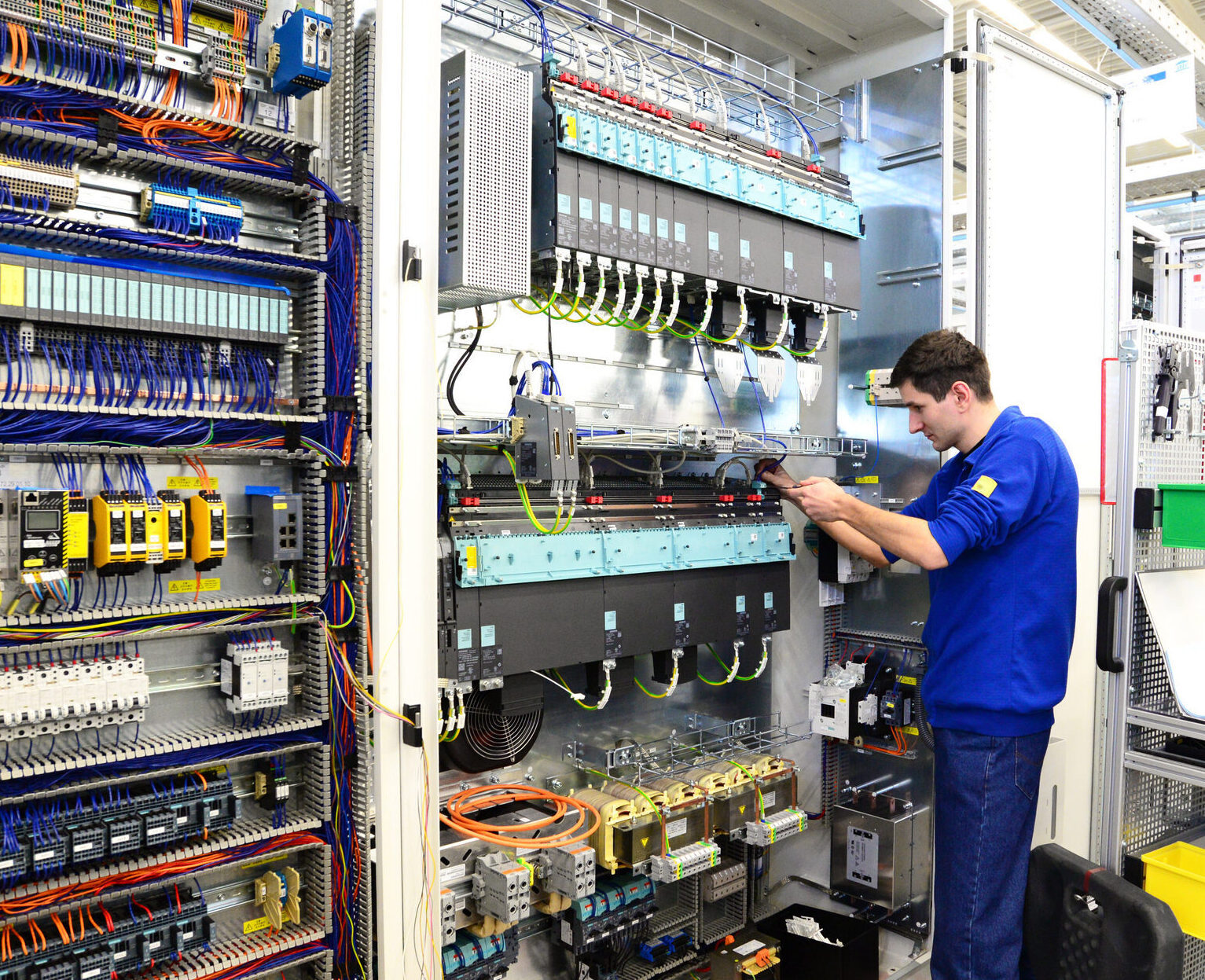
Engineers and industrial designers use terms like PLC Control Panels, VFD Panels, Custom Industrial Control Panels, and Process Control Panels to describe the role of each assembly. A control panel is the full system inside the enclosure.
It brings relays, breakers, PLCs, drives, safety circuits, and power hardware together into one coordinated architecture.
That architecture runs logic, manages safety circuits, coordinates devices, and gives operators direct control. By consolidating electrical and control functions, the panel drives machines to run predictably, safely, and in line with process requirements.
Design choices inside the panel determine uptime, safety, and long‑term performance. Build with intent, and operations stay stable. Cut corners and problems stack up fast.
Primary Types of Industrial Automation Control Panels
Different processes demand different control panel architectures. Motor-heavy plants, discrete manufacturing lines, and continuous process facilities do not run on the same structure. The right panel type shapes reliability, safety, and long-term flexibility.
PLC Control Panels – The Logic Core
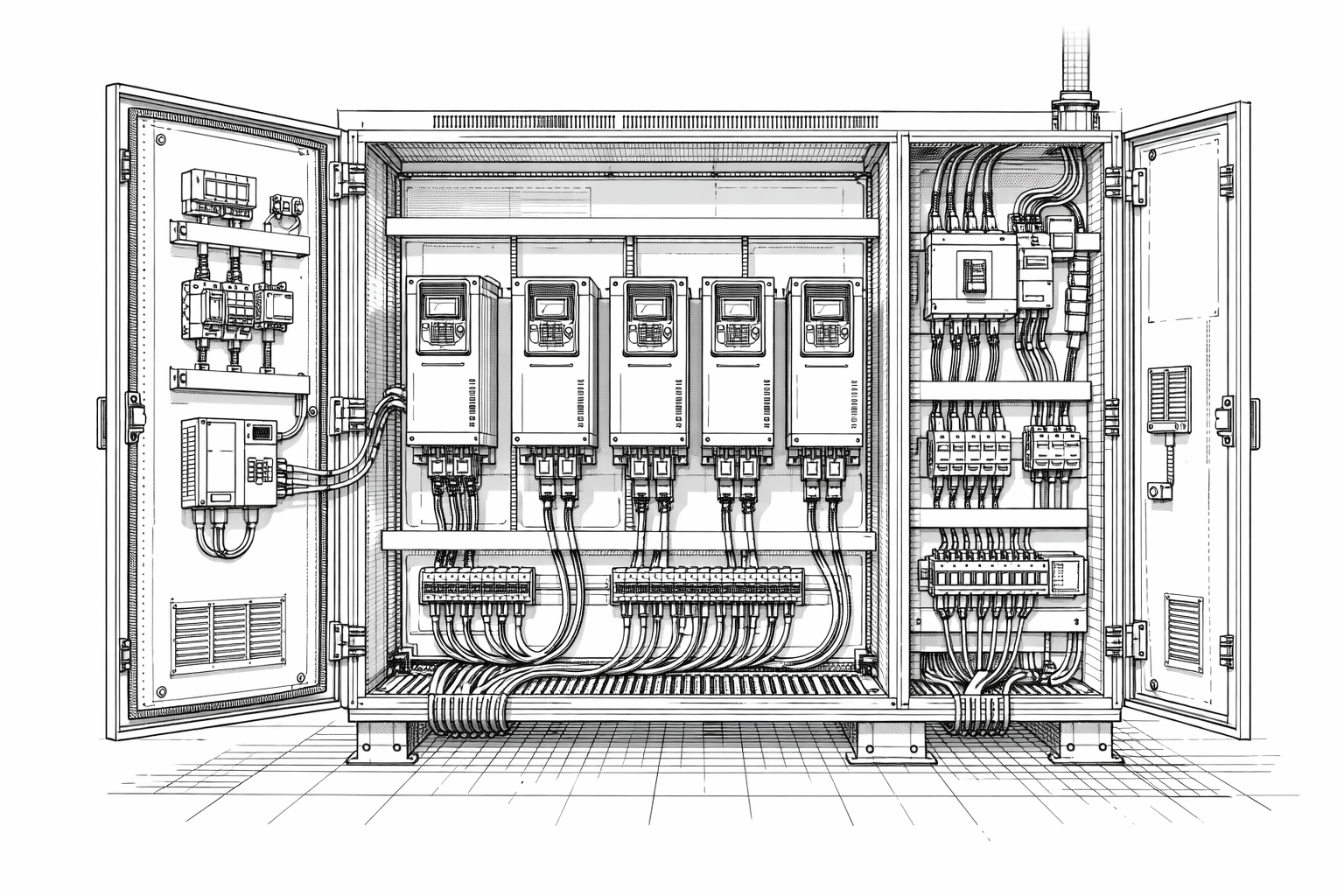
PLC panels run the decision-making side of automation. They house the controller, I/O, power supplies, and communications hardware that coordinate machine behavior.
Also Known As
- PLC cabinet
- Automation control panel
- Machine control panel
- Programmable controller panel
What It Does
- Execute sequencing & timing
- Process sensor inputs & control outputs
- Communicate with HMI and SCADA systems
Where It Fits
- Assembly lines
- Packaging systems
- Robotics cells
- Discrete manufacturing & batch operations
Operational Benefits
- Fast changes when production requirements shift
- Clear diagnostics reduce troubleshooting time
- Stable, repeatable machine performance
Motor Control Centers (MCC) – Centralized Motor Management
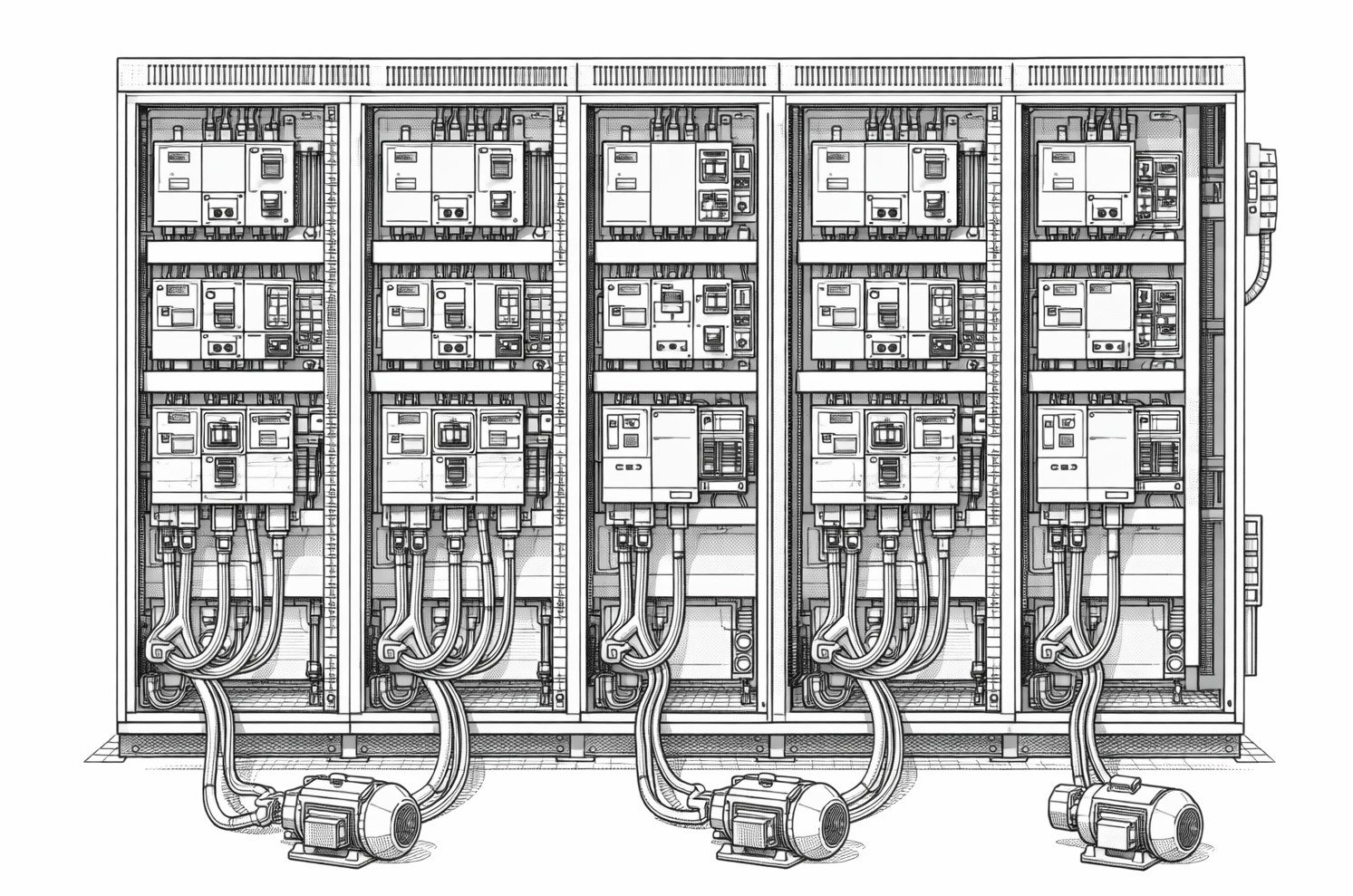
MCCs organize multiple motor circuits into a structured power system. Instead of scattering control hardware across the plant, motors connect through a coordinated lineup. As VFD pricing has converged with that of traditional starters, MCCs now house more drive‑based motor control alongside the remaining starter sections.
Also Known As
- MCC panel,
- Motor control cabinet,
- Motor distribution center
What It Does
- Distribute power to grouped motor loads
- Provide overload & short-circuit protection
- Centralize disconnects & feeder control
Where It Fits
Facilities with high motor density
- Pumps
- Fans
- Conveyors
- Mixers
- Continuous process operations & utilities
Operational Benefits
- Simplified maintenance access
- Stronger motor protection
- Modular sections that support expansion
Variable Frequency Drive (VFD) Panels – Intelligent Motor Speed Control
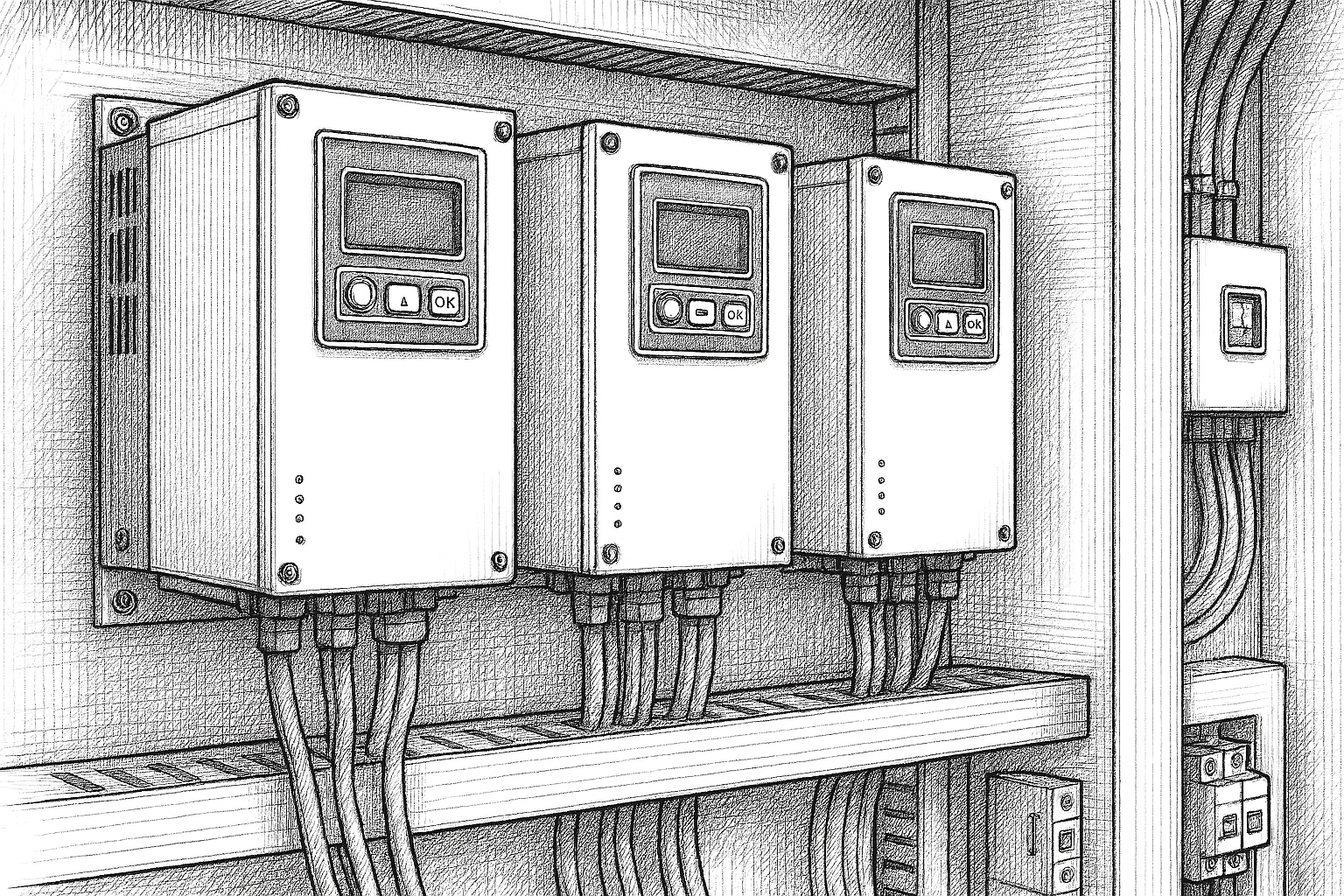
VFD panels regulate motor speed to match real process demand. They play a key role in energy-efficient motor control.
Also Known As
- Drive panel
- AC drive cabinet
- Motor speed control panel
What It Does
- Adjust motor speed for pumps, fans, compressors, conveyors
- Reduce inrush current during startup
- Monitor and protect motors
Where It Fits
- Applications with fluctuating load requirements
- Systems focused on energy efficiency & process precision
- Suitable for installations requiring a smaller footprint
Operational Benefits
- Lower energy consumption in variable torque applications
- Reduced mechanical stress
- More consistent process control
Custom Industrial Control Panels – Application-Specific Architecture
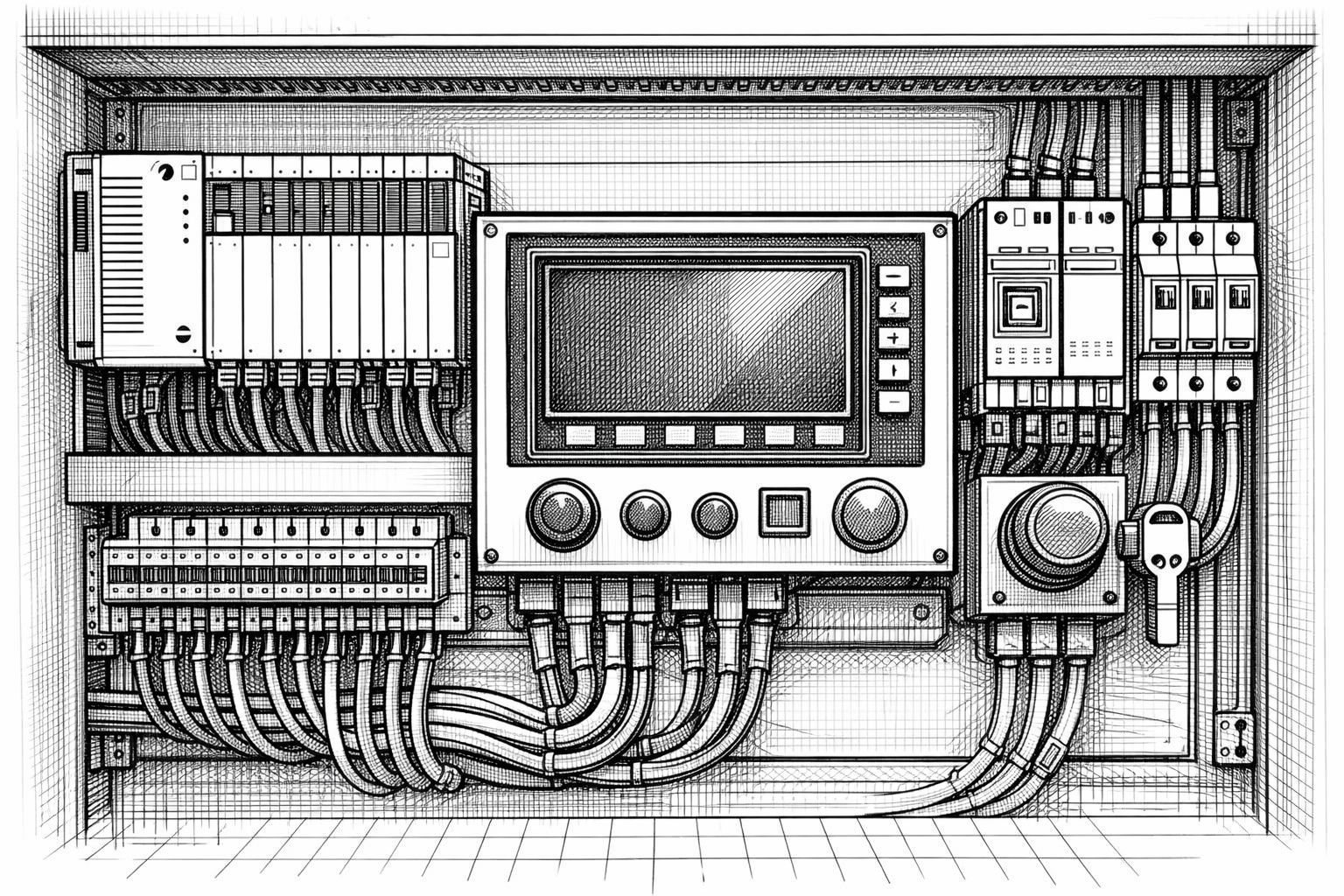
Custom panels align architecture directly with process requirements. They combine logic, power, safety, and operator interfaces into one coordinated build.
Also Known As
- Drive panel
- AC drive cabinet
- Motor speed control panel
What It Does
- Adjust motor speed for pumps, fans, compressors, conveyors
- Reduce inrush current during startup
- Monitor and protect motors
Where It Fits
- Applications with fluctuating load requirements
- Systems focused on energy efficiency & process precision
- Suitable for installations requiring a smaller footprint
Operational Benefits
- Lower energy consumption in variable torque applications
- Reduced mechanical stress
- More consistent process control
Process Control Panels – Continuous Variable Management
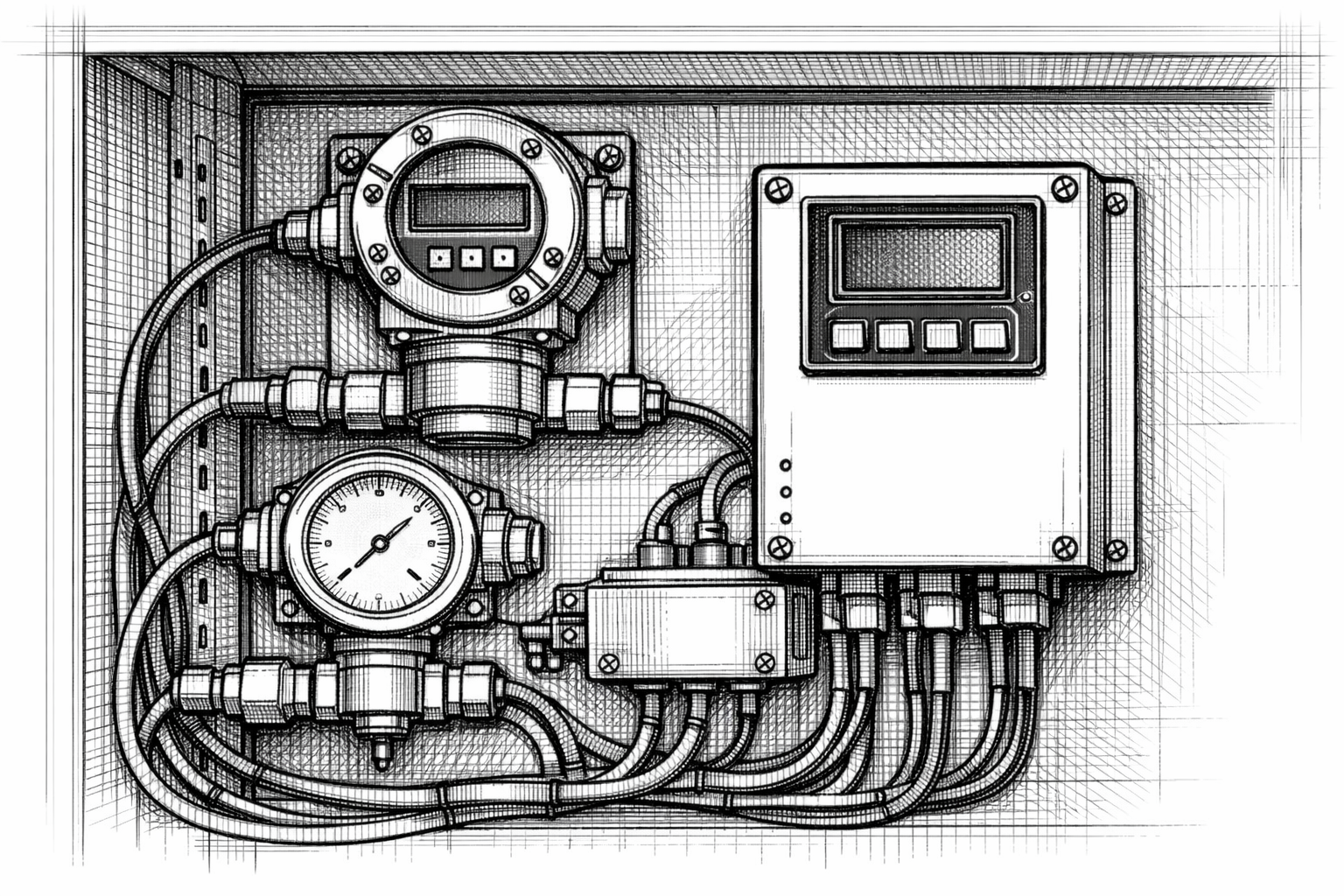
Process panels regulate temperature, pressure, flow, and other continuous variables. They integrate controllers with instrumentation and signal conditioning hardware.
Also Known As
- Process automation panel
- DCS panel
- Instrumentation panel
- Analog control panel
What It Does
- Collect & condition analog signals
- Execute control loops
- Distribute power to field instrumentation
Where It Fits
- Chemical, water/wastewater, oil & gas, food processing, HVAC
- Facilities dependent on stable continuous control
Operational Benefits
- Consistent regulation of critical variables
- Protection for sensitive electronics
- Simplified calibration & maintenance
Operator, Power, and Safety Panels
Core control panels run machines. Operator, power, and safety panels support how people interact with those machines, how electricity flows through the facility, and how risk is managed. They integrate with primary automation systems but serve focused operational roles.
Power Distribution Panels – Structured Electrical Control
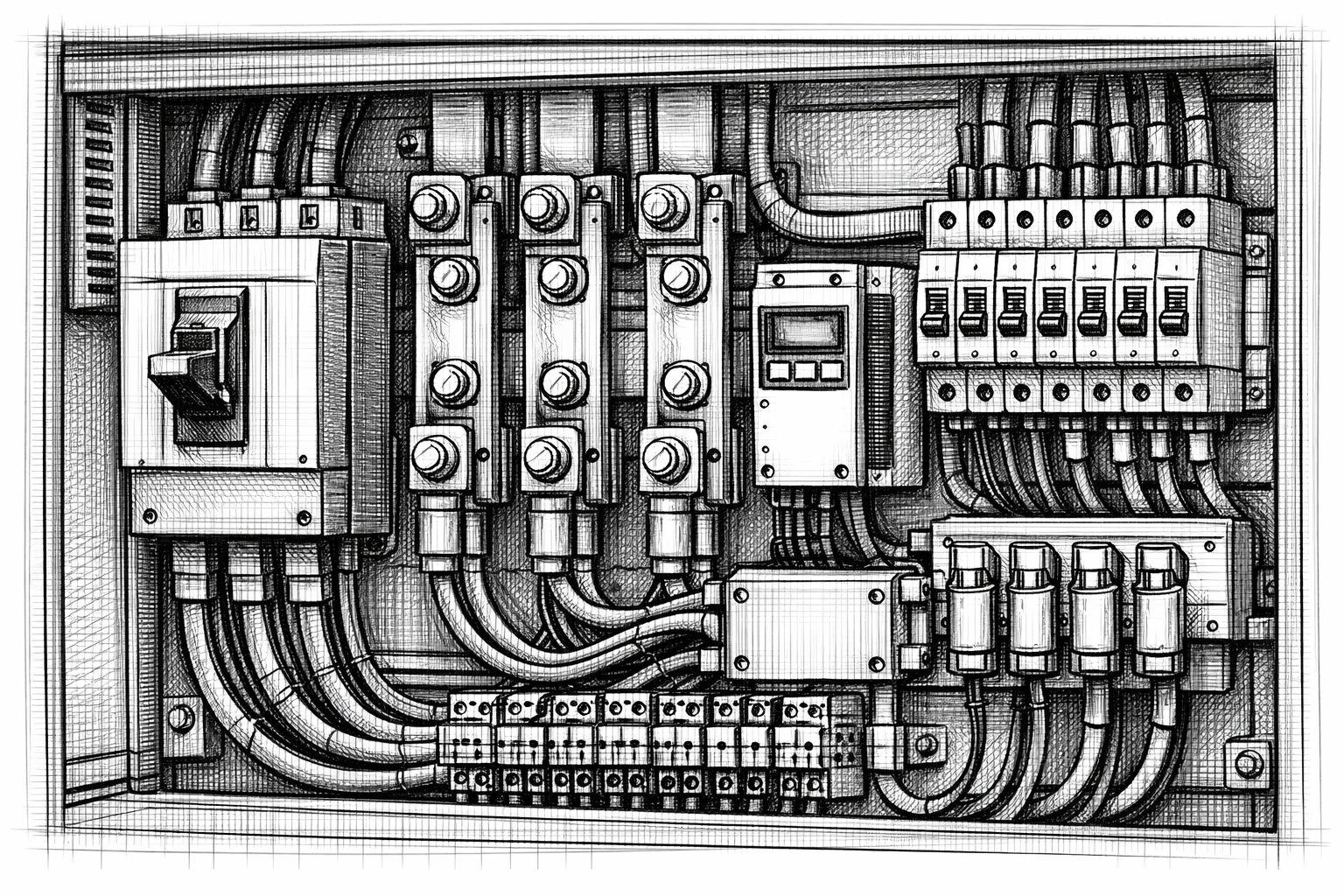
Power distribution panels manage how electrical power enters and moves through the facility. They protect circuits, segment loads, and support safe isolation.
Also Known As
- Electrical distribution panel
- Branch circuit panel
- Breaker panel
- Industrial power panel
What It Does
- Distribute incoming power to branch circuits & equipment
- Provide overcurrent protection through breakers & fuses
- Support metering & load management
Where It Fits
- Manufacturing floors, utility rooms & process areas
- Facilities requiring coordinated electrical control across multiple systems
Operational Benefits
- Reduced risk of electrical faults spreading
- Clear isolation points for maintenance
- Improved load visibility for energy management
Safety Control Panels – Risk Reduction and Compliance
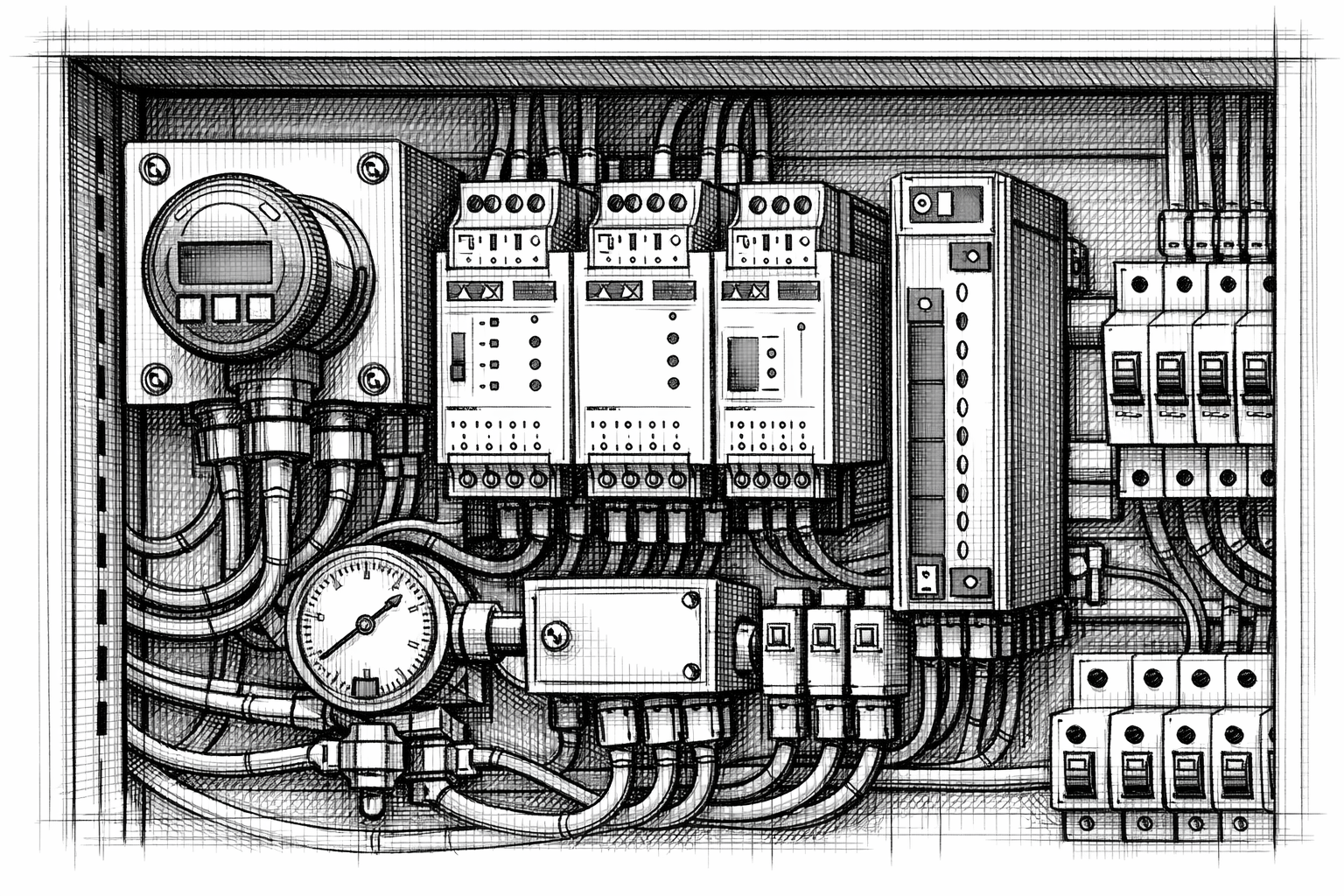
Safety control panels enforce protective functions within automated systems. They monitor emergency stops, interlocks, light curtains, and other safeguarding devices.
Also Known As
- Safety panel
- E-Stop panel
- Machine safety panel
- Safety relay cabinet
What It Does
- House safety relays or safety PLCs
- Monitor safety circuits & interlock conditions
- Remove power when hazardous situations occur
Where It Fits
- Machinery with moving components or pinch points
- Systems requiring SIL or PLe compliance
Operational Benefits
- Immediate risk reduction during unsafe conditions
- Alignment with machine safety standards & audits
- Clear separation between standard & safety control
Secondary and Specialized Panels
Primary control panels run core automation. Secondary and specialized panels extend that architecture into the field, the environment, and the power layer. They act as modular building blocks that improve flexibility, resilience, and long-term serviceability.
Modular and Distributed Panels
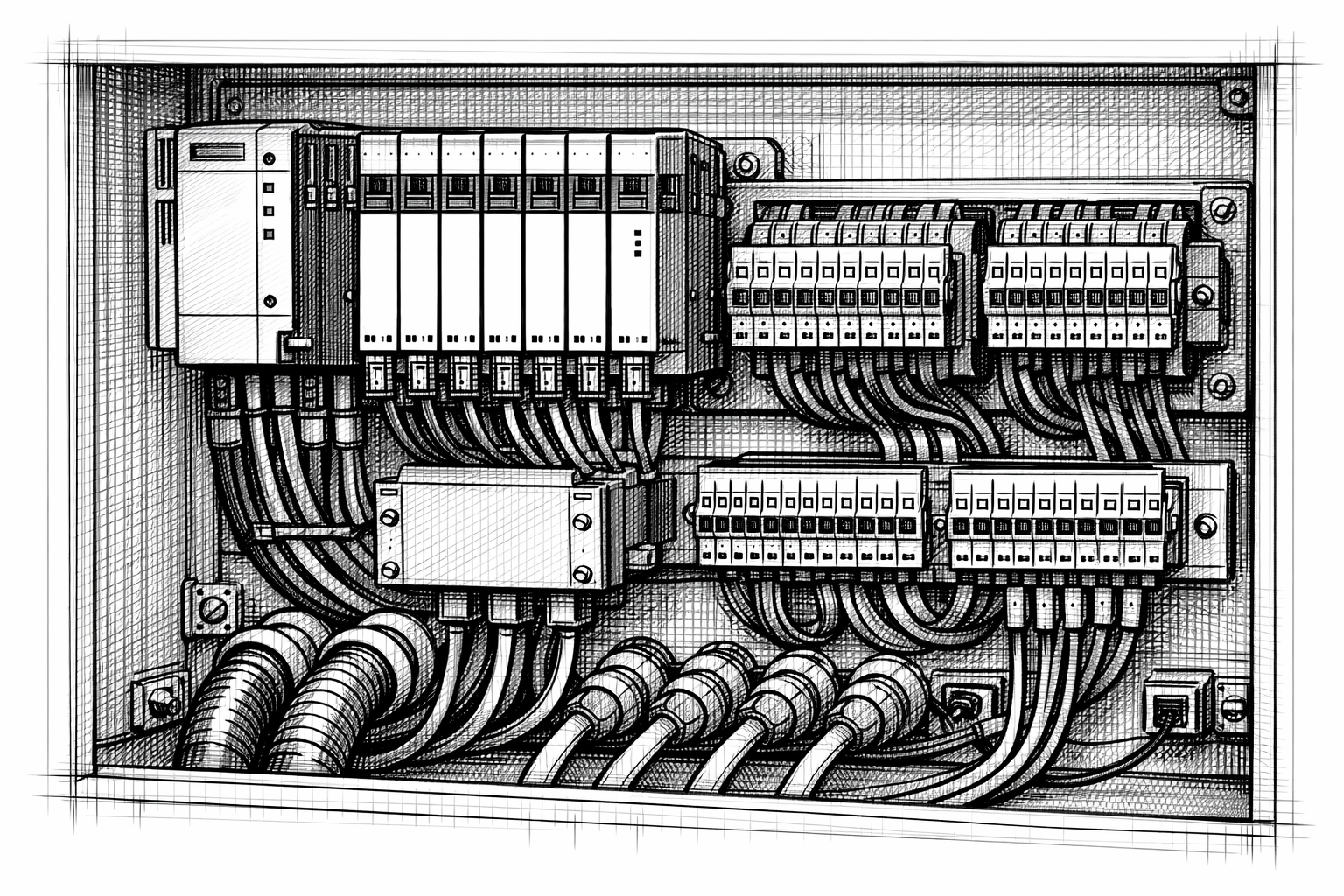
Distributed panels move portions of the control system closer to the equipment. Instead of routing every signal back to one central cabinet, they segment control into organized field-level nodes.
Also Known As
- Remote I/O panel
- Field junction box
- Distributed control cabinet
- Remote instrumentation panel
What It Does
- House remote I/O & signal termination points
- Reduce long cable runs to central PLC panels
- Support segmented control architectures
Where It Fits
- Large production lines & material handling systems
- Facilities expanding in phases
- Operations requiring scalable industrial control
Operational Benefits
- Lower installation cost through reduced wiring
- Faster expansion without full panel redesign
- Improved troubleshooting via localized segmentation
Environment-Specific Panels
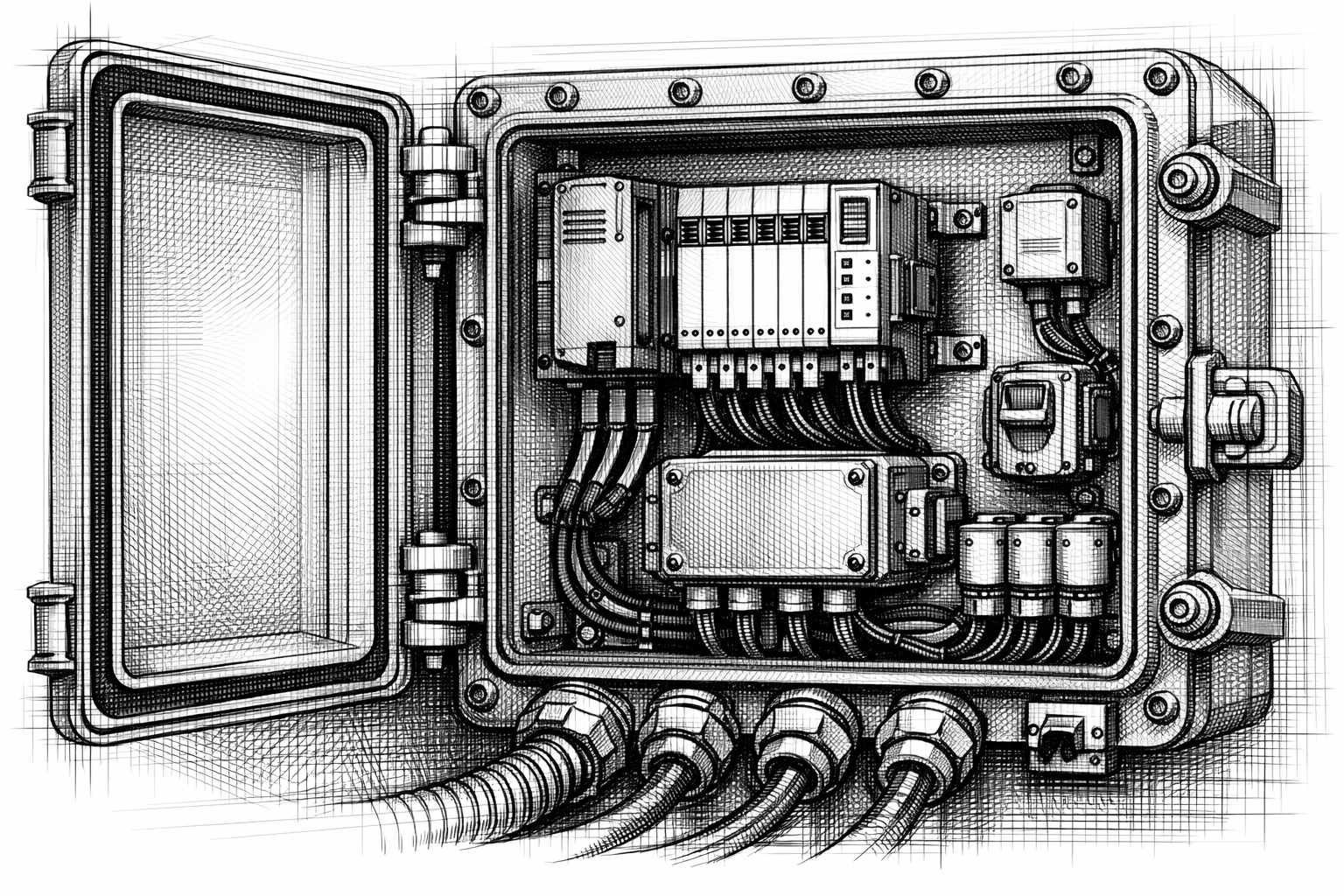
Environment-specific panels protect automation equipment from moisture, chemicals, dust, vibration, or explosive atmospheres. Enclosure selection directly impacts reliability.
Also Known As
- Washdown panel
- Explosion-proof panel
- Hazardous location panel
- NEMA rated enclosure
What It Does
- Shield control components from environmental exposure
- Meet enclosure standards — NEMA 4X or hazardous area classifications
- Protect internal wiring & electronics
Where It Fits
- Food & beverage washdown areas
- Chemical processing & oil and gas environments
- Outdoor or high-humidity installations
Operational Benefits
- Extended equipment life in harsh conditions
- Reduced corrosion & electrical failure risk
- Compliance with environmental & safety regulations
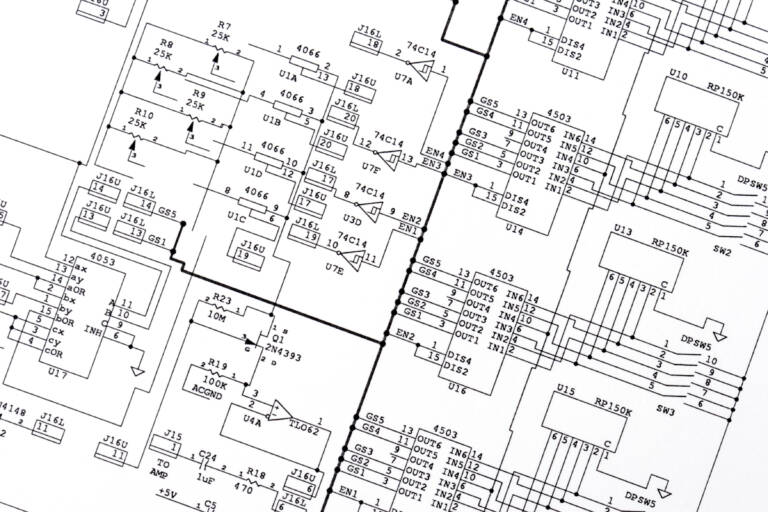
Choosing the Right Control Panel Strategy
Panel architecture should follow process requirements, not the other way around. The right strategy begins long before hardware selection.
Strong control panel manufacturing starts with disciplined planning, documentation standards, and long-term serviceability in mind.
Key Considerations
- Define system requirements, network architecture, and future connectivity early
- Design for expansion, access, and maintenance clearance
- Specify certified components and UL 508A control panel standards
- Match enclosure ratings to environmental conditions
- Deliver complete documentation, labeling, and wiring schematics
Poor early decisions create years of operational friction. Clear architecture reduces lifecycle cost, simplifies upgrades, and protects uptime.
Why Industrial Automation Control Panels Matter
Control panels shape daily performance on the plant floor. They influence uptime, safety, energy use, and additional equipment. Treat them like commodity boxes, and the consequences show up fast.
Poor layouts slow troubleshooting. Undersized components restrict growth. Weak safety integration increases exposure. Short-term savings often result in higher maintenance costs.
Strong panel architecture integrates power, protection, logic, and communication into a single coordinated system. That coordination protects production.
Reduce Downtime
Downtime rarely starts with a major failure. It begins with something small that no one sees in time.
Clear layouts, labeled wiring, structured I/O mapping, and built-in diagnostics reduce troubleshooting time. Real-time monitoring surfaces issues before they escalate.
When maintenance can see what is happening inside the panel, they restore production without extended delays.
Emphasize Safety
Build safety into strategy.
UL 508A control panels and NFPA 79 requirements define how control circuits, short-circuit protection, grounding, and emergency stops should function. Safety relays and safety PLCs remove power when hazardous conditions appear.
Strong safety architecture reduces risk, supports compliance, and protects both people and equipment.
Improve Energy Efficiency
Energy performance starts with motor control strategy.
VFD panels adjust motor speed to match actual demand rather than running at full output continuously. In pump and fan systems, lower speeds reduce energy use and mechanical stress.
Efficient motor control lowers operating costs and extends equipment life.
Enable Scalable Industrial Control Systems
Growth tests every design decision.
Panels built with spare capacity, modular layouts, and expansion paths allow additional I/O, drives, or production cells to be added without redesign. Teams avoid major redesign when operations expand.
Scalable industrial control systems protect capital investments and support steady modernization rather than disruptive overhauls.
Support Plant Modernization
Modernization depends on connectivity and structure.
Panels now act as organized access points for data collection, network segmentation, and edge communication. SCADA-ready designs support real-time visibility, remote diagnostics, and production traceability.
Control panel system architecture determines how smoothly legacy equipment integrates with modern digital systems.
Every choice inside a control panel carries operational consequences. Uptime, safety, efficiency, and adaptability do not happen by accident. They result from disciplined design and intentional control panel manufacturing.
Myths vs. Reality: Industrial Control Panels
Project teams often evaluate control panels late and reduce them to budget line items. That decision creates blind spots. When engineers treat panels as interchangeable hardware rather than engineered infrastructure, they introduce risk to reliability, safety, and expansion capacity.
The assumptions below influence how teams specify, design, and maintain automation systems.
✗ Myth Control panels are commodity boxes. | ✓ Reality Panels define system reliability, safety, and scalability. Layout, component selection, and protection strategy directly affect uptime and serviceability. |
✗ Myth One panel type fits all applications. | ✓ Reality Different processes demand different architectures. Motor-dense facilities, continuous process plants, and discrete manufacturing lines require different control strategies. |
✗ Myth Cheaper panels save money. | ✓ Reality Poor design increases downtime, complicates troubleshooting, and raises maintenance costs over time. |
✗ Myth Safety can be added later. | ✓ Reality Safety must be architected from the start. Retrofitting protection into an existing design introduces cost, complexity, and compliance risk. |
✗ Myth VFDs are always overkill. | ✓ Reality In variable-torque applications, energy savings and reduced mechanical stress often justify the investment quickly. |
✗ Myth Custom panels are unnecessary. | ✓ Reality Standard panels often fail in demanding environments or specialized processes where space, compliance, or integration constraints apply. |
Control Panel Architecture as Long-Term Infrastructure
Control panels are not short-term purchases. They become the foundation of factory automation infrastructure for decades.
Well-executed industrial panel design and integration create stable operations that adapt as production evolves. Thoughtful layouts, scalable power distribution, integrated safety control panels, and structured communication paths allow modernization without disruption.
EOSYS designs and builds UL-listed control panels aligned with real process demands. The goal is simple. Deliver automation control panels that perform today and scale as requirements grow.